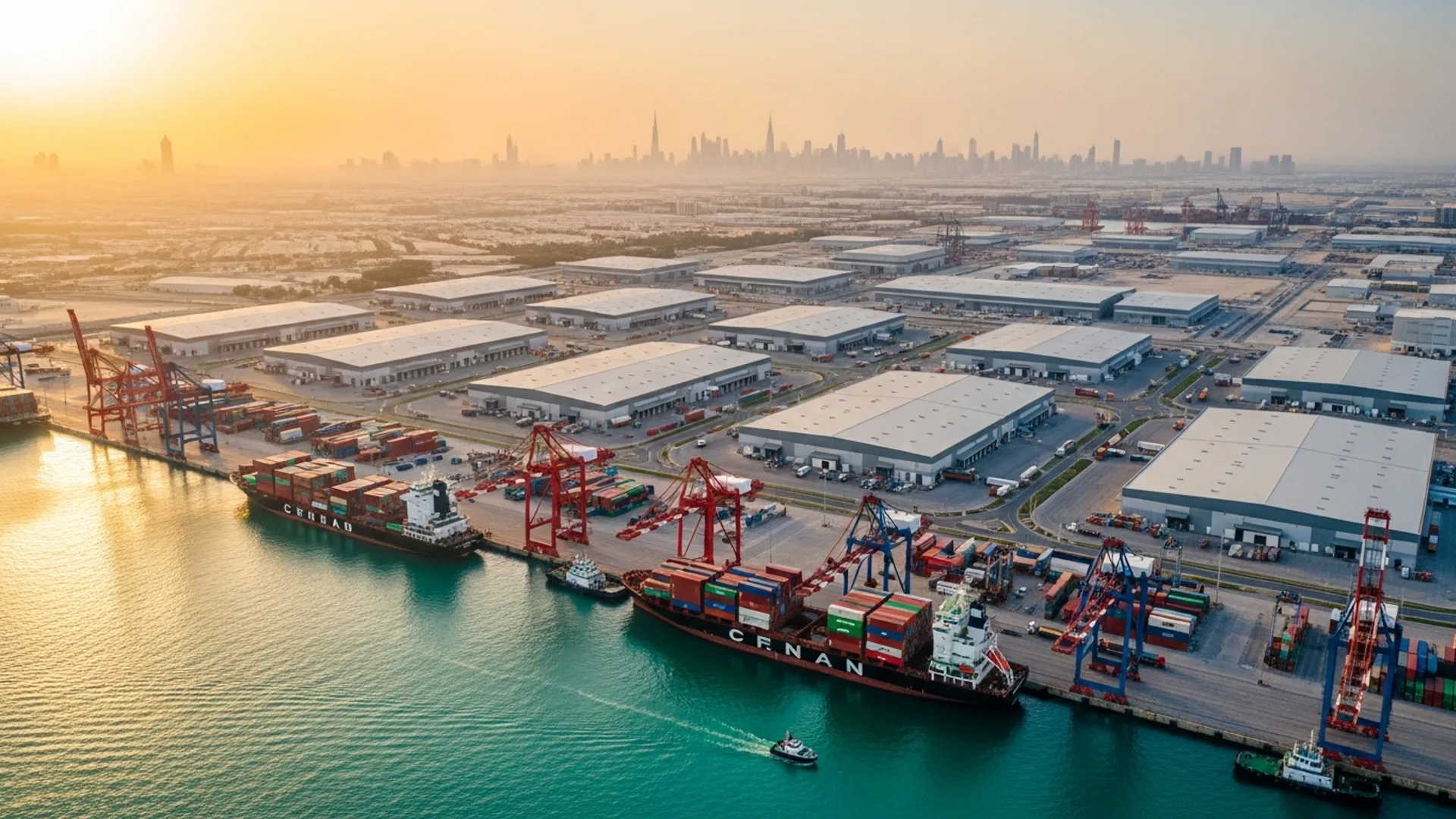
Quick AnswerDesignated free zones UAE 2026 — complete list, VAT benefits, FTA classification, which zones qualify and what it means for traders.
The term "designated free zones" in UAE refers to a specific tax classification used by the Federal Tax Authority for VAT purposes. Understanding which free zones are designated and what designated status actually means is important for trading businesses planning UAE operations but matters less than founders often expect for service and online businesses. This guide cuts through the confusion to explain what designated zone status really is, which zones qualify, and how it affects different business models in 2026.
Your setup cost, in 10 seconds
Package prices. Health insurance is required by law and not included.
Thank you.
Your written quote follows on WhatsApp.
Designated Free Zones in UAE: The 2026 List and Why VAT Treats Them Differently
A designated free zone is one listed in Cabinet Decision No. 59 of 2017 as amended, treated as outside the UAE for VAT purposes on qualifying goods transactions — roughly 20 zones qualify, including JAFZA, KEZAD, Hamriyah, Ajman Free Zone, UAQ FTZ, RAK zones and Dubai South’s free zone area. The critical nuance: the special VAT treatment applies to goods, not services — services supplied from a designated zone follow normal UAE VAT rules.
Why it matters commercially: a trading company moving goods between designated zones, or holding them there before re-export, can keep those movements outside UAE VAT scope — a genuine cash-flow advantage for import-export and distribution businesses. A consultancy in the same zone gets no such benefit, which is the single most common misunderstanding we correct in structuring conversations.
Being in a designated zone is also not the same as being VAT-exempt: registration thresholds still apply, and corporate tax has its own separate free-zone regime (Qualifying Free Zone Person rules) that does not mirror the VAT list. Verify the current list against the Federal Tax Authority before structuring around it, and see our UAE VAT registration guide for when registration becomes mandatory.
What "designated zone" actually means
In UAE VAT terminology, a designated zone is a specific free zone formally designated by the Federal Tax Authority under VAT Executive Regulations. The Federal Tax Authority (tax.gov.ae) maintains and publishes the official list.
Key characteristics of designated zone treatment:
- Supplies of goods within a designated zone may be treated as outside scope of UAE VAT
- Supplies of goods between designated zones may receive similar treatment
- Re-export from designated zones receives streamlined VAT treatment
- Goods entering designated zones from outside UAE may not trigger immediate import VAT
The intent is to support UAE's role as international trading hub by reducing VAT friction on goods that pass through UAE without entering UAE consumer market.
Important limitations:
- Designated zone treatment applies primarily to GOODS, not services
- Supplies to UAE mainland customers from designated zones are still subject to UAE VAT
- Service businesses generally see minimal practical benefit from designated zone status
- Online businesses with non-tangible deliveries see minimal benefit
Related: verified UAE free zone costs
Our cost research checks what each authority actually publishes, so you can compare like with like:
- SAIF Zone company setup — SAIF Zone — visa quotas by office type and the AED 150,000 share-capital requirement most comparisons omit
Complete list of major designated zones 2026
The FTA's official designated zones list as of 2026 includes (always verify current status at FTA portal):
Dubai designated zones:
- JAFZA (Jebel Ali Free Zone)
- DAFZA (Dubai Airport Free Zone)
- Dubai Cars and Automotive Zone (DUCAMZ)
- Dubai Textile City
- Free Zone Area in Al Quoz
- Free Zone Area in Al Qusais
- Dubai Aviation City
- Dubai Logistics City
Abu Dhabi designated zones:
- Khalifa Industrial Zone Abu Dhabi (KIZAD)
- Abu Dhabi Airport Free Zone
- Abu Dhabi Global Markets (specific operational areas)
Sharjah designated zones:
- Hamriyah Free Zone
- SAIF Zone (Sharjah Airport International Free Zone)
Ajman:
- Ajman Free Zone
Ras Al Khaimah:
- RAKEZ (specific zones)
- RAK Maritime City
Umm Al Quwain:
- UAQ Free Trade Zone
Fujairah:
- Fujairah Free Zone
- Fujairah Oil Industry Zone
This list evolves. New zones may be added; existing zones may be removed. Always verify current status via FTA before making business decisions based on designated zone treatment.
Free zones NOT typically on designated list
Many popular free zones are NOT designated zones:
- DMCC (Dubai Multi Commodities Centre) — popular trading hub but not designated
- IFZA (International Free Zone Authority) — popular for low-cost setup, not designated
- SHAMS (Sharjah Media City) — media focus, not designated
- Meydan Free Zone — popular for setup, not designated
- DIFC (Dubai International Financial Centre) — financial services, not designated
- ADGM (Abu Dhabi Global Markets) — financial services, not designated
- Dubai Internet City — tech focus, not designated
- Dubai Media City — media focus, not designated
- Most other newer free zones — not designated
This doesn't mean these zones lack benefits. They offer 100% foreign ownership, visa rights, banking access, and other free zone benefits. They simply don't receive the specific VAT-related designated zone treatment.
Who actually benefits from designated zone status
Designated zone status practically benefits these business types:
International trading operations: Goods imported into UAE for re-export to other markets. Designated zone treatment reduces VAT complexity on goods transiting through UAE.
Goods distribution between zones: Operations that move goods between multiple UAE designated zones for processing, repackaging, or consolidation.
Warehouse and storage operations: Bonded warehouse-style operations holding goods for re-export benefit from streamlined treatment.
Manufacturing for export: Industrial operations producing goods for export markets rather than UAE consumption.
Logistics and freight operations: Companies managing goods movement through UAE designated zones.
For these business types, choosing a designated free zone (JAFZA, KIZAD, Hamriyah, etc.) provides meaningful operational and tax efficiency.
Who doesn't benefit from designated zone status
Designated zone status has minimal practical impact for:
Service businesses: Consultancy, professional services, marketing agencies, IT services. Services generally not affected by designated zone treatment.
Online businesses serving UAE customers: E-commerce selling to UAE consumers pays VAT regardless of zone origin.
Local UAE distribution: Businesses selling primarily to UAE mainland customers face VAT regardless.
Financial services: Often exempt activities; designated zone treatment doesn't affect.
Healthcare and education: Often zero-rated or exempt; designated zone treatment doesn't significantly affect.
Most professional services: Not goods-based, designated zone treatment has minimal effect.
For these business types, free zone choice should be based on activity coverage, cost, location, and brand fit rather than designated zone status.
Practical impact comparison
For a trading business choosing between JAFZA (designated) and DMCC (non-designated):
JAFZA benefits beyond designated status:
- Port access for container shipping
- Warehouse availability
- Established trading ecosystem
- Customs efficiency
- Lower cost than DMCC
DMCC benefits beyond non-designated status:
- Premium tower offices
- Trading desk positioning
- Strong banking relationships
- Brand recognition
- Networking with other commodity traders
For physical trading with goods movement, JAFZA wins on multiple dimensions including designated zone status. For trading desks doing paper trades or services, DMCC wins on positioning even without designated status.
The designated status is one factor among several. Don't optimise solely for it.
What changes for free zone choice based on business model
Pure international trading (re-export focus): Designated zones strongly preferred. JAFZA, Hamriyah, RAKEZ industrial all serve well.
Trading with UAE distribution focus: Either works. UAE mainland sales are VAT-able regardless. Choose based on location and cost.
Service business (consulting, IT, marketing): Designated status irrelevant. Choose based on cost, brand, activity coverage. IFZA, Meydan, SHAMS all viable.
E-commerce serving global markets: Designated zone irrelevant for online sales. Choose based on infrastructure cost and platform integration.
Manufacturing for export: Designated zone helpful. KIZAD, Hamriyah, RAKEZ industrial all options.
Financial services: Use DIFC or ADGM regardless of designated status.
Crypto/regulated: Use VARA-licensed zones or specific approved options regardless of designated status.
Contact Us For Free Consultation
or
Ask on WhatsApp insteadLicensed UAE consultancy. One reply, no spam.
Thank you.
A consultant will reply on WhatsApp shortly.
Common Mistakes founders make with designated zone selection
Mistake 1: Over-optimising for designated status. For service businesses or online businesses, designated status doesn't matter operationally. Don't pay premium for benefit you won't use.
Mistake 2: Ignoring designated status when it matters. For trading operations, choosing non-designated zone creates VAT complexity that compounds over time.
Mistake 3: Confusing designated zones with QFZP status. These are different concepts. QFZP relates to corporate tax 0% on qualifying income. Designated zones relate to VAT treatment. Both available, but separate.
Mistake 4: Assuming all free zone activities receive designated treatment. Designated treatment applies specifically to goods supplies within and between designated zones. Service supplies treated normally.
Mistake 5: Not verifying current FTA list. Designated zone list can change. Verify current status before making decisions.
Practical considerations for trading operations choosing zones
Trading businesses that benefit from designated zone status should evaluate specific zones based on factors beyond just designated status itself. JAFZA combines designated zone status with port access, large warehouse availability, established trading ecosystem, and strong banking relationships. For container shipping operations, this combination makes JAFZA the dominant choice for serious trading operations despite premium cost.
DAFZA combines designated zone status with air cargo access. For high-value time-sensitive products, perishables requiring air freight, or smaller-package premium distribution, DAFZA provides operational advantages matched by its designated zone treatment. The cost premium versus JAFZA reflects the air cargo positioning.
Hamriyah Free Zone combines designated zone status with lower cost structure than Dubai-located zones. For cost-conscious operators serving regional markets where the Dubai brand isn't critical, Hamriyah delivers designated zone benefits plus cost efficiency. Port access via Hamriyah Port supports the operational model.
RAKEZ industrial sections offer designated zone treatment with industrial focus and lower cost than Dubai alternatives. For manufacturing operations or industrial product distribution, RAKEZ provides the combination of designated zone status, industrial activity coverage, and cost efficiency.
SAIF Zone in Sharjah combines designated zone status with airport co-location supporting time-sensitive operations. For specific operational models requiring both designated zone treatment and air cargo proximity, SAIF represents a credible alternative to DAFZA at lower cost typically.
The honest framing is that for trading operations choosing among designated zones, the choice involves operational fit beyond just designated status itself. All designated zones provide the VAT treatment but they differ substantially in cost structure, infrastructure, location advantages, and supporting ecosystem.
Considerations for non-trading businesses
For non-trading businesses considering zone selection, the designated zone question is largely irrelevant. Service businesses, online businesses, financial services, professional services, and most non-goods-based operations don't benefit meaningfully from designated zone treatment. The choice should be driven by other factors.
Cost considerations typically dominate for service businesses. IFZA, Meydan, SHAMS, and similar non-designated free zones offer lower setup and operating costs than designated zones. For service businesses where the designated zone benefit doesn't apply, paying premium for designated status is wasted cost.
Brand and positioning considerations matter for client-facing businesses. DMCC offers premium positioning for trading and commodities even though not designated. DIFC and ADGM offer premium positioning for financial services. Premium zones may be right choice based on brand fit rather than designated status.
Activity coverage varies by zone. Some activities are well-covered by some zones and poorly covered by others. The match between intended activity and zone activity catalog should typically dominate the zone selection conversation rather than designated status alone.
Visa allocation and office requirements differ by zone. The match between expected team size, office needs, and zone offerings matters significantly. Designated status doesn't change visa or office considerations.
Banking relationships and platform integrations may matter for specific business models. Some zones have stronger banking ecosystems for specific industries. Some have better integration with specific platforms or systems. These operational considerations may dominate selection beyond designated status.
The pattern across successful zone selection for non-trading businesses is matching zone to business reality across multiple dimensions rather than over-weighting any single criterion including designated zone status.
Final framing on designated zones
The designated zones concept in UAE VAT framework serves specific purpose supporting trading operations through the country. For businesses that fit the trading operational model, designated zones offer meaningful operational and tax efficiency benefits. For businesses outside that model, designated status has minimal practical impact.
Understanding the distinction matters because it allows founders to weight designated zone status appropriately in zone selection decisions rather than treating it as universal preference or ignoring it when it matters. Most founders should focus on matching zone to business needs across multiple dimensions including activity coverage, cost, location, and brand fit, with designated status being one consideration among several rather than the dominant criterion.
The Federal Tax Authority maintains and updates the designated zones list. Major established designated zones tend to remain on the list while new zones occasionally get added. For ongoing operations, staying aware of any changes to your specific zone's status matters but typically doesn't require obsessive monitoring.
For founders making initial zone selection decisions in 2026, the practical advice is to understand designated zone status as part of broader zone evaluation rather than as standalone decision driver. Match the analysis depth to your actual business model complexity and the operational impact designated status will have on your specific operations.
Specific zone migration considerations
Founders occasionally face questions about migrating between zones based on designated status discovery or business model evolution. The migration process is more complex than simple administrative change. It involves closing the existing entity in the source zone and registering a new entity in the target zone. Assets, contracts, employees, and customer relationships all need to be transferred or recreated under the new entity.
For active operating businesses, migration typically takes eight to fourteen weeks of administrative work alongside ongoing operations. Costs typically include closing fees at source zone, registration fees at target zone, transition operational costs, and potential disruption to customer and supplier relationships. Total migration cost typically AED 25,000 to AED 60,000 plus indirect operational costs.
Migration makes sense when designated zone benefits substantially exceed migration costs and ongoing benefits justify the disruption. For most non-trading businesses the benefits don't justify the costs. For trading operations where designated zone treatment significantly affects ongoing tax obligations, migration may be worthwhile.
Before committing to migration, careful analysis of actual benefit estimation is essential. The theoretical benefit of designated zone treatment may differ substantially from actual realised benefit given specific business patterns. Run the math carefully before initiating migration.
Some founders consider establishing parallel entities in different zones rather than migrating. One entity in designated zone for goods trading, separate entity in non-designated zone for services or customer-facing operations. This approach has its own complexity but may suit certain business models better than single-zone operation.
Professional advisory adds value for migration decisions because the analysis combines tax, operational, and strategic considerations that benefit from experienced perspective. The marginal cost of advisory is small compared to migration costs themselves and the risk of poor migration decisions.
Final framing on designated zones
The designated zones concept exists to support specific operational models in UAE's trading hub strategy. Used appropriately by businesses that fit the operational model, designated zones provide genuine value. Used inappropriately by businesses that don't fit the operational model, designated zone selection wastes attention and possibly cost without providing the intended benefits.
The honest framing for founders is to weight designated zone status appropriately to your specific business model rather than treating it as either universally important or universally irrelevant. The right answer depends on whether your business operations actually intersect with the designated zone benefit mechanisms.
For founders making zone selection decisions in 2026, designated zone status is one input among several. Activity coverage, cost structure, location advantages, brand fit, banking ecosystem, and operational suitability all matter alongside designated status. Match the depth of analysis to your specific situation rather than over-emphasising any single criterion.
Practical advice for founders making zone decisions
For founders weighing zone selection decisions in Dubai or broader UAE in 2026, the practical advice involves systematic evaluation rather than chasing single criteria. Start with honest assessment of your business model and operational needs. Service businesses, online businesses, and most professional service operations have different optimal zone selection criteria than physical trading or manufacturing operations. Match the evaluation framework to your actual business model rather than borrowing criteria from different business types.
Next, identify your priority dimensions. Cost optimisation favours zones like SHAMS, IFZA, Ajman, and similar at the lower end of the cost ladder. Premium positioning favours zones like DMCC, DIFC, ADGM, and Dubai Design District depending on industry. Activity coverage matters enormously and varies meaningfully across zones. Banking ecosystem and existing relationships may dominate selection for specific situations. Designated zone status matters substantially for trading operations and minimally for other models.
Then evaluate specific zone candidates against your priority dimensions. Most founders find two to four zones that fit reasonably well on most dimensions. The final selection often comes down to specific operational factors, brand preferences, or even practical factors like commute time from likely accommodation areas.
Throughout the evaluation, professional advisory adds value especially for founders unfamiliar with the UAE business setup landscape. The marginal cost of advisory is small compared to the cost of wrong zone selection requiring later migration.
The Dubai and broader UAE free zone ecosystem provides genuine competitive options across multiple emirates and operational models. Take advantage of this competitive environment by matching zone choice rigorously to your specific business model and operational needs rather than defaulting to popular zones without verification of fit.
What to do next
If you're choosing a UAE free zone for 2026 and wondering whether designated zone status matters, the next step is honest assessment of your business model against designated zone benefits. We help founders evaluate whether designated status meaningfully affects their operations or whether other zone selection criteria should dominate the decision. A 20-minute call clarifies the right zone for your specific business model.
The pattern across successful free zone selection is matching zone to business needs rather than chasing single criteria like designated status. For trading operations with goods movement, designated zones offer genuine operational and tax efficiency benefits. For service businesses and online operations, designated status is largely irrelevant to operational outcomes.
The Dubai and broader UAE free zone landscape continues to evolve with new zones, changing designations, and evolving regulatory framework. Stay informed about your specific zone's current status and changes that may affect your operations. Most operators don't need to track designated zone changes obsessively, but trading operations should maintain awareness.
For founders weighing zone selection between designated and non-designated alternatives, the practical advice is to weight designated status appropriately to your business model. Heavy weight if trading goods through UAE. Minimal weight if service or online business. Match the optimization to what your business actually does rather than to theoretical maximum tax efficiency that you won't realise operationally.
The UAE free zone ecosystem offers genuine choice and competitive options across multiple emirates and operational models. Designated zone status is one factor in the broader decision matrix. Use it appropriately based on your specific situation rather than treating it as universal selection criterion or ignoring it when it matters significantly for your operations.
For comprehensive analysis combining designated zone status with activity coverage, cost structure, banking relationships, brand fit, and operational suitability, professional advisory adds value especially for businesses where multiple factors affect zone selection meaningfully. The marginal cost of proper advisory is small compared to friction of choosing wrong zone and needing to migrate later.
Match preparation to opportunity and the zone selection process becomes manageable rather than mysterious. The information is available, the options are clear, and the decision criteria are well-documented. Plan accordingly and the right zone choice supports business growth rather than constraining it.
Talk to Our Experts
designated free zone selection
Frequently Asked Questions
What are designated free zones in UAE 2026?
Designated free zones are specific UAE free zones formally designated by the Federal Tax Authority (FTA) for special VAT treatment under UAE Value Added Tax law. Supplies of goods within and between designated zones may be treated as outside the scope of UAE VAT, providing specific tax efficiency for trading operations within these zones.
Which UAE free zones are designated zones in 2026?
Major designated zones in UAE 2026 include: JAFZA (Jebel Ali Free Zone), DAFZA (Dubai Airport Free Zone), Hamriyah Free Zone, RAKEZ in Ras Al Khaimah, SAIF Zone (Sharjah Airport), Ajman Free Zone, Fujairah Free Zone, Khalifa Industrial Zone Abu Dhabi (KIZAD), and others. Full official list maintained by FTA at tax.gov.ae.
What’s the benefit of being in a designated free zone?
Designated zone benefits: supplies of goods within designated zone treated as outside UAE VAT scope (no 5% VAT on inter-zone goods transfers), simplified customs treatment for re-export, reduced VAT complexity for trading operations. Designated zone status doesn’t affect corporate tax obligations which apply uniformly.
Are all free zones designated zones?
No. Many free zones are not designated zones. DMCC, IFZA, SHAMS, Meydan, DIFC, ADGM, Dubai Internet City, and many newer free zones are NOT on the FTA designated zones list. Verify designated status for your specific free zone via the official FTA designated zones list.
How do designated zones affect VAT for my business?
Practical impact depends on your business model. For traders moving goods between designated zones or from designated zone for re-export, designated zone status reduces VAT obligations significantly. For service businesses or businesses primarily selling to UAE mainland customers, designated zone status has minimal impact since VAT applies to UAE-destined sales regardless of zone origin.
Does designated zone status affect corporate tax?
No. Designated zone status is specifically a VAT classification. UAE Corporate Tax applies uniformly at 9% above AED 375,000 profit regardless of zone designation. Qualifying Free Zone Person (QFZP) status for 0% corporate tax on qualifying income is a separate criterion not tied to designated zone status.
Can I move my business from a non-designated to designated zone?
Yes. Migration between free zones is possible but involves closing existing entity and registering new entity in the target zone. Process takes 8-14 weeks and costs AED 25,000-60,000+. Worth evaluating only if designated zone benefits substantially affect your business model. Most service businesses don’t benefit enough to justify migration.
How is a designated zone different from a regular free zone?
Functionally most free zone benefits (100% foreign ownership, 0% personal income tax, visa rights, banking access) apply uniformly across designated and non-designated free zones. The difference is specifically VAT treatment for goods supplied within designated zones. For most business models the distinction has minimal operational impact.
Related Noble Core deep-dives
Directly related guides
For technology and IT ventures specifically, a Dubai Silicon Oasis business setup is a free-zone option worth comparing.
Compare against abu dhabi free zone license cost for fit and cost.
Compare against best free zones dubai for fit and cost.