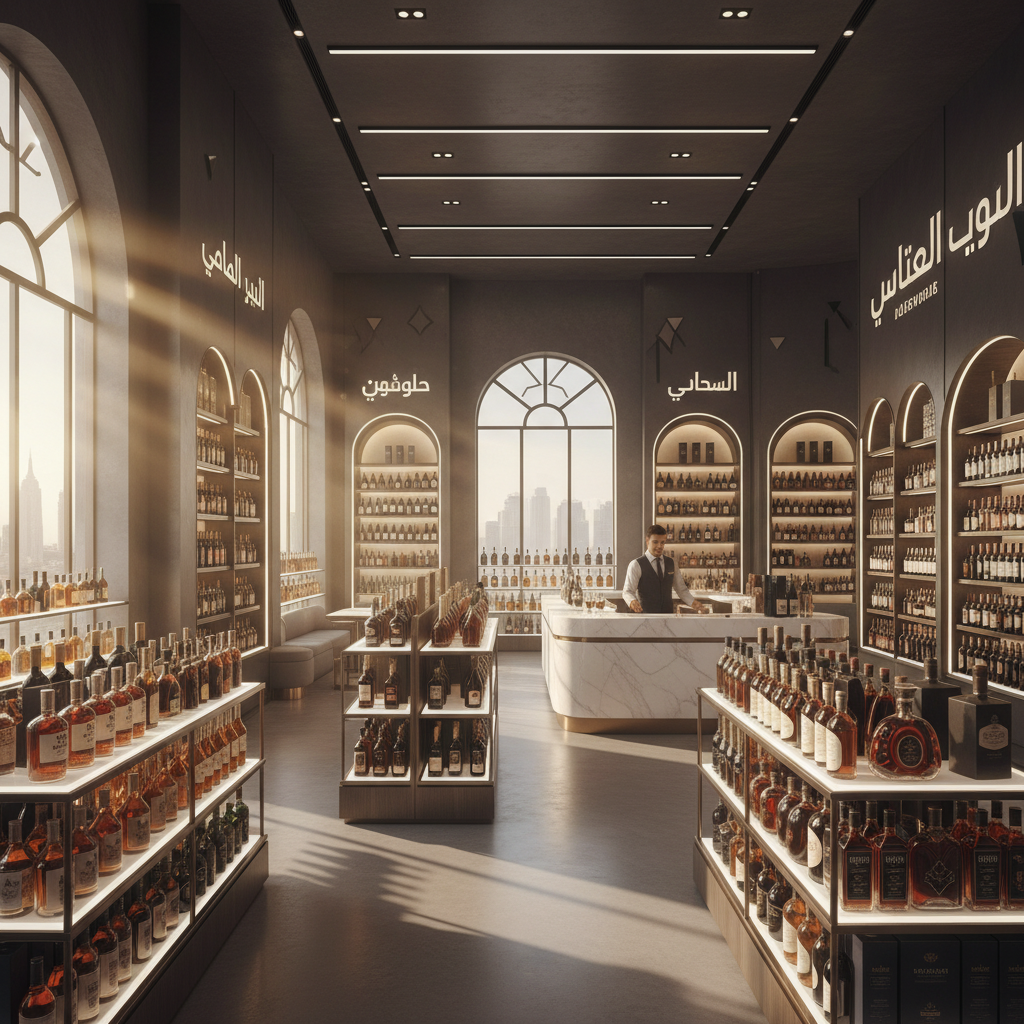
Quick answer
Personal alcohol permits in Dubai are free since January 2023. — Commercial alcohol licenses remain strictly regulated with a 30% excise tax reintroduced January 1, 2025.
- Non-Muslim residents aged 21+ with valid Emirates ID can obtain permits instantly at MMI or African + Eastern
- December 2020 reforms decriminalized personal consumption; January 2023 abolished separate permit applications entirely
- Tourists access alcohol in licensed venues without permits; retail purchases require temporary approval via passport
Best for: Residents, tourists, and businesses seeking current Dubai alcohol licensing rules
Getting a liquor alcohol license in Dubai is one of the most complex — and misunderstood — regulatory processes in the UAE. Whether you’re a resident wanting to stock your home, a tourist trying to understand the rules, or a business owner looking to serve or trade alcohol commercially, Dubai’s alcohol licensing framework affects you differently. This 2026 guide covers everything: personal licenses, tourist rules, and the full commercial alcohol license pathway that businesses must navigate — including recent legal reforms, real cost breakdowns, and the compliance traps that catch operators off guard.
At Noble Core Ventures, we help businesses navigate Dubai’s regulatory landscape every day. This guide reflects what we’ve learned working with F&B operators, distributors, and importers across the UAE.
Licensing costs vary by structure. See yours exactly.
Your setup cost, in 10 seconds
Package prices. Health insurance is required by law and not included.
Thank you.
Your written quote follows on WhatsApp.
Understanding Alcohol Laws & Recent Changes in Dubai (2026)
Dubai has undergone significant regulatory reform around alcohol in recent years — changes that most older guides online get completely wrong. If you’re relying on advice from 2022 or earlier, you may be operating on outdated assumptions.
Key Legal Reforms (2020 & 2023): What Actually Changed?
In December 2020, the UAE decriminalised personal alcohol consumption and abolished the requirement for non-Muslim residents to hold a liquor permit to consume alcohol at home. Then in January 2023, the government went further: personal alcohol permits became completely free of charge and were integrated directly into the retail purchase process at licensed retailers like MMI and African + Eastern. The old system of applying for a permit separately was abolished. These reforms significantly liberalised personal use while keeping commercial regulation strict.
The Reintroduction of the 30% Alcohol Tax (January 2025)
Here’s the change that’s hitting businesses hardest in 2026: the 30% excise tax on alcohol, which was briefly lifted in January 2023, was reintroduced effective January 1, 2025. This tax applies to the retail sale of alcohol and has a direct impact on commercial pricing, margins, and business models for anyone in the alcohol supply chain. If your financial projections for an alcohol business were built on the tax-free period, they need to be completely revised.
Age Restrictions & Cultural Sensitivities
The legal drinking age in Dubai is 21. This applies universally — to residents, tourists, and businesses. Dubai is a Muslim-majority city and alcohol consumption is restricted to licensed venues and private settings. Public intoxication, drinking in non-licensed public spaces, and drink-driving carry severe penalties including fines, imprisonment, and deportation for non-citizens. The zero-tolerance approach to drink-driving means any measurable blood alcohol level can result in criminal charges.
Personal Alcohol License in Dubai (For Residents)
The personal alcohol license system in Dubai was dramatically simplified in 2023. Here’s exactly how it works today.
Eligibility & Requirements
To obtain a personal alcohol permit in Dubai, you must be:
- Non-Muslim — Muslim residents are not eligible for personal alcohol permits
- 21 years or older
- A UAE resident with a valid Emirates ID
- Resident of Dubai — personal permits are emirate-specific
Step-by-Step Application Process (MMI / African + Eastern)
The process is now remarkably simple:
- Visit a licensed retailer — MMI (Maritime & Mercantile International) or African + Eastern
- Present your Emirates ID at the store
- The retailer registers your permit electronically at the point of purchase
- No separate application, no waiting, no fee
Your permit is linked to your Emirates ID and allows you to purchase alcohol from licensed retailers and consume it at home or in licensed venues.
Is the Personal License Really Free?
Yes — since January 2023, the personal liquor permit in Dubai is entirely free. You no longer pay an annual fee. However, the 30% excise tax on alcohol products still applies at retail — so while the permit itself costs nothing, the product prices reflect the tax.
What the Personal License Covers (and Doesn’t)
A personal permit allows you to: purchase alcohol from licensed retailers, consume alcohol at home, and drink at licensed venues. It does not allow you to: purchase alcohol commercially, resell alcohol, import alcohol, or serve alcohol to others in a commercial setting. For any of those activities, you need a commercial alcohol license.
Temporary Alcohol Access for Tourists in Dubai
Consuming Alcohol in Licensed Venues (No Permit Needed)
Tourists can consume alcohol in any licensed venue — hotels, licensed restaurants, bars, and clubs — without any permit. The venue holds the relevant commercial license; no personal permit is required from the customer.
Buying Alcohol from Stores (Temporary Approval Process)
Tourists who want to purchase alcohol from retail outlets (MMI, African + Eastern) can obtain a temporary retail access approval using their passport. This is handled in-store and is tied to the visitor’s stay. It’s a relatively simple process, though the 30% alcohol tax applies to all retail purchases.
Essential Rules for Visitors
- Only consume alcohol in licensed venues or private accommodation
- Never drink in public spaces, on beaches, or in vehicles
- Zero tolerance for drink-driving — even a small amount results in criminal charges
- Respect cultural norms — loud, intoxicated behaviour in public areas will attract police attention
Commercial Alcohol Licenses in Dubai: The Business Guide
This is where it gets serious. If your business involves alcohol in any commercial capacity — serving it, selling it, distributing it, importing it, or storing it — you need a commercial alcohol license. Operating without one is a criminal offence with consequences ranging from heavy fines to business closure and deportation of responsible managers.
Why Your Business Needs a Commercial Alcohol License
Any commercial activity involving alcohol — whether you’re a bar, restaurant, hotel, distributor, importer, or off-licence retailer — requires the appropriate commercial license. There is no grey area. A personal permit does not cover commercial activity, and the “I didn’t know” defence carries no weight with Dubai authorities.
Key Authorities & Regulators
Commercial alcohol licensing in Dubai involves multiple government bodies, and you’ll deal with more than one depending on your business type:
- Dubai Police — security and compliance approvals, especially for on-premise serving
- Department of Economy and Tourism (DET) — commercial license and activity registration
- Dubai Tourism (DTCM) — mandatory for any F&B establishment in the hospitality sector
- Dubai Municipality — premises fit-out approvals, food safety, and health inspections
- UAE Customs — import and movement of alcohol products
- Federal Tax Authority (FTA) — excise tax registration and compliance
Mainland vs. Free Zone for Alcohol Trading: Critical Differences
| Factor | Mainland | Free Zone |
|---|---|---|
| Onshore retail/serving | ✅ Permitted (with license) | ❌ Requires mainland branch |
| Import & re-export | ✅ Permitted | ✅ Preferred (bonded warehouse) |
| B2B wholesale | ✅ Permitted | ⚠️ Restricted to free zone customers only (without branch) |
| 100% foreign ownership | ✅ Now allowed (2021 reform) | ✅ Always allowed |
| Setup cost | Higher (requires physical premises) | Lower initial setup |
| Alcohol activity on license | DET approval required | Free zone authority approval required |
| Best for | Restaurants, bars, retail liquor stores, distributors serving UAE market | Import, re-export, B2B trade, storage |
Key rule: If you want to sell or serve alcohol directly to UAE consumers (onshore), you need a mainland license or a mainland branch. Free zone companies cannot legally conduct direct retail or F&B service to UAE residents without a mainland presence.
General Eligibility Criteria for Commercial Licenses
Regardless of license type, commercial alcohol license applicants must typically demonstrate:
- A legally registered UAE company (mainland or approved free zone)
- Approved business activity that includes alcohol trading/serving in the commercial license
- Compliant premises that meet zoning, safety, and health standards
- A nominated responsible manager (often must be non-Muslim for certain license types)
- Clean financial and legal record (police clearance for key personnel)
- No outstanding government fines or license violations
Types of Commercial Liquor Licenses in Dubai: Detailed Breakdown
Type A: Alcohol Import License
Who needs it: Businesses that import alcoholic beverages into the UAE for commercial distribution, wholesale, or re-export. This includes distributors, importers, and companies bringing in alcohol for their own commercial operations.
What it covers: Import of alcoholic products through UAE Customs, storage in approved facilities, and onward distribution to licensed retailers and venues. Type A holders are typically the first point of entry for alcohol in the UAE supply chain.
Key eligibility requirements:
- Mainland company or free zone company with approved import activity
- Approved warehouse or storage facility meeting Customs and Municipality standards
- Registered with UAE Customs and Federal Tax Authority (for excise tax)
- Nominated import manager with relevant documentation
Required documents:
- Trade license with alcohol import activity listed
- Warehouse lease agreement and facility approval
- Customs registration certificate
- FTA excise tax registration
- Manager’s passport, visa, and Emirates ID
- Police clearance for key personnel
- Product specifications and supplier agreements
Estimated costs: AED 10,000–50,000+ annually, depending on import volumes, warehouse size, and associated customs duties. The 30% excise tax applies on top of the product cost and significantly impacts working capital requirements.
Timeline: 3–6 months for initial approval. Customs and Municipality approvals are typically the longest parts of the process.
Type B: Alcohol Wholesale / Retail Supply License
Who needs it: Businesses operating liquor stores (off-licences) or wholesale distributors supplying alcohol to hotels, restaurants, and licensed venues. MMI and African + Eastern operate under this framework at scale.
What it covers: Retail sale of alcohol to eligible customers (residents with permits and tourists) and B2B wholesale supply to licensed venues.
Key eligibility requirements:
- Mainland commercial license with retail/wholesale activity
- Approved retail premises in permitted zones (not near mosques, schools, or residential areas without buffer)
- Dubai Police and Municipality premises approval
- Staff trained in responsible service
Required documents:
- Commercial trade license with alcohol retail/wholesale activity
- Premises lease and fit-out approval certificates
- Dubai Police approval
- Dubai Municipality inspection certificate
- FTA excise tax registration
- Manager identification documents
Estimated costs: AED 15,000–40,000 annually for the license. Additional costs include premises fit-out (AED 50,000–500,000+ depending on size), security deposits, and ongoing compliance costs. For wholesale operations, logistics and cold storage add significant overhead.
Timeline: 3–5 months. Premises approval from Municipality and Police is the critical path item.
Type C: On-Premise Alcohol Service License
Who needs it: Any F&B establishment that wants to serve alcohol on-premises — restaurants, bars, nightclubs, hotel bars and restaurants, beach clubs, and similar hospitality venues.
What it covers: Service of alcoholic beverages to customers consuming on-premise. This is the most common commercial alcohol license type in Dubai’s hospitality sector.
Key eligibility requirements:
- DTCM-registered hospitality establishment (mandatory for hotel venues; required for standalone F&B)
- Premises that meet zoning requirements — cannot be near places of worship, schools, or in certain residential areas
- Full food service capability (alcohol service only is not typically approved for standalone venues)
- Dubai Police approval and security assessment
- Dubai Municipality food safety and health approval
- Fit-out completed to approved standards
Required documents:
- DTCM registration certificate
- Commercial trade license with F&B/hospitality activity
- Dubai Police approval letter
- Dubai Municipality health and safety inspection certificate
- Premises floor plan and fit-out completion certificate
- Fire safety clearance (Civil Defence)
- Responsible manager details and training records
- Staff list with documentation
Estimated costs: AED 25,000–40,000 annually for the alcohol service license component. This comes on top of your DTCM registration fees, trade license costs, and fit-out investment. Budget AED 5,000–15,000 for associated approvals and inspections.
Timeline: 3–6 months from business setup completion. Pre-approval of premises before fit-out commencement is strongly recommended to avoid costly changes after the fact.
Storage & Warehousing Approvals (Cross-Cutting for Type A & B)
Both import and wholesale operators require approved storage facilities. Requirements include:
- Temperature-controlled storage where required by product type
- Segregation from non-alcoholic goods storage
- Security measures including CCTV and access controls
- Inventory management systems that can produce compliance reports
- Annual Municipality and Dubai Police facility inspections
Step-by-Step Application Process for Commercial Alcohol Licenses
Phase 1: Business Setup & Initial Approvals
- Define your business activity precisely — import only, wholesale, retail, on-premise serving, or a combination. This determines which authorities you’ll deal with and what your trade license needs to say.
- Incorporate your company — mainland (DET) for onshore selling/serving; free zone for import/re-export/B2B. Ensure the commercial license includes the alcohol-related activity code.
- Obtain initial DET/free zone approval for the alcohol activity — this is a preliminary nod before you commit to premises.
- Register with the Federal Tax Authority for excise tax compliance (mandatory for import, wholesale, and retail).
Phase 2: Premises & Facility Compliance
- Identify and lease compliant premises — verify zoning with relevant authority before signing the lease. Zoning violations discovered after signing cause expensive delays.
- Complete fit-out to approved standards — for F&B, this means DTCM-compliant layout, Civil Defence fire safety, and Municipality health standards.
- Obtain fit-out completion certificates from Municipality and Civil Defence.
- Security assessment — Dubai Police will assess the premises, particularly for on-premise serving venues.
Phase 3: Documentation Submission & Regulatory Checks
- Compile full document package — company documents, premises documents, manager documentation, and any product/supplier agreements.
- Submit to relevant authorities — this varies by license type but typically includes DET/free zone authority, Dubai Police, DTCM (if applicable), and Dubai Municipality.
- Background checks — key personnel will be subject to police background checks. Non-Muslim nationality of the responsible manager may be a requirement for certain license categories.
- Respond to information requests promptly — delays in responding to authority queries add weeks to the process.
Phase 4: Final Approval & License Issuance
- Final inspection — premises inspection by Municipality and/or Police before license issuance.
- Pay license fees — government fees must be paid before issuance.
- Receive license — commercial alcohol license issued, valid typically for one year.
- Commence operations — display license prominently, maintain compliance documentation on-site.
Expected Timelines & Potential Delays
| License Type | Typical Timeline | Most Common Delay |
|---|---|---|
| Type A (Import) | 3–6 months | Warehouse approval, Customs registration |
| Type B (Wholesale/Retail) | 3–5 months | Premises zoning approval, Police clearance |
| Type C (On-Premise) | 3–6 months | DTCM registration, fit-out inspection |
Common delay triggers: Incorrect zoning (signing a lease before zoning verification), incomplete documentation (especially manager background checks), fit-out not meeting Municipality standards, and failure to respond promptly to authority queries.
Realistic Commercial Alcohol License Costs in Dubai (2026 Breakdown)
| Cost Item | Type A (Import) | Type B (Retail/Wholesale) | Type C (On-Premise) |
|---|---|---|---|
| Annual License Fee | AED 10,000–50,000+ | AED 15,000–40,000 | AED 25,000–40,000 |
| Government Approvals (one-time) | AED 5,000–20,000 | AED 5,000–15,000 | AED 8,000–20,000 |
| DTCM Registration | N/A | N/A | AED 5,000–15,000 |
| Premises Fit-Out | AED 100,000–500,000 (warehouse) | AED 50,000–500,000 (store) | AED 200,000–2M+ (venue) |
| FTA Excise Registration | Required | Required | Varies |
| Security Deposit | AED 20,000–100,000 | AED 10,000–50,000 | AED 10,000–30,000 |
| Annual Renewal | AED 10,000–50,000+ | AED 15,000–40,000 | AED 25,000–40,000 |
Impact of the 30% Alcohol Tax on Businesses
The 30% excise tax reintroduced in January 2025 fundamentally changes the economics of alcohol businesses in Dubai:
- Importers: Must account for 30% excise on dutiable value at point of import — this is a significant working capital requirement that catches many new operators off guard.
- Retailers: The 30% markup on retail prices has reduced volume in some segments as consumers adjust to higher prices. Premium segments are more resilient; mid-range retail has seen more pressure.
- F&B operators: The tax is embedded in your supply chain costs. Expect your alcohol procurement costs to be 30% higher than in 2023–2024, and price your menu accordingly.
- Compliance requirement: You must be FTA-registered for excise tax and file regular returns showing excise paid. Non-compliance attracts significant penalties.
Common Compliance Pitfalls & How to Avoid Them
This section covers the mistakes Noble Core sees most often from businesses operating or applying for commercial alcohol licenses in Dubai — and how to avoid them.
Pitfall 1: Signing a Lease Before Zoning Verification
The most expensive mistake. Signing a lease on premises that don’t meet alcohol zoning requirements (too close to a mosque, school, or in a non-permitted zone) locks you into rent while you can’t trade. Always get written zoning pre-approval from the relevant authority before committing to a lease.
Pitfall 2: Wrong License Type for Your Business Model
A restaurant owner who wants to also sell sealed bottles to take home needs a different approval than one that only serves on-premise. A distributor who wants to import AND retail needs multiple activity approvals. Get the license structure right from the start — adding activities later is possible but takes time and costs money.
Pitfall 3: Serving Alcohol During Non-Approved Hours
Your license specifies permitted trading hours. Serving alcohol outside those hours — even by mistake — is a violation that can result in suspension of your license. Train all staff on approved trading hours and implement internal controls.
Pitfall 4: Serving Minors
The legal age is 21. Age verification is a legal obligation, not a recommendation. Serving alcohol to anyone under 21 is a criminal offence for both the server and the business. Implement ID verification as a non-negotiable operational process.
Pitfall 5: Stock Not Matching License Records
Alcohol inventory must match your import/purchase records, excise tax filings, and sales records. Discrepancies trigger compliance investigations. Maintain meticulous inventory management and ensure your POS/ERP systems capture alcohol sales separately for tax reporting.
Pitfall 6: Unlicensed Promotion
Advertising alcohol in Dubai is heavily restricted. You cannot advertise alcohol on public-facing media, billboards, or social media visible to the general public. Promotion is restricted to within licensed premises (menu placement, in-venue signage) and communications with confirmed adult customers who have opted in. Violations result in fines and license risk.
Alcohol Rules Across the UAE: Dubai vs. Abu Dhabi vs. Sharjah
| Factor | Dubai | Abu Dhabi | Sharjah |
|---|---|---|---|
| Personal License | Free (since 2023) | Available (separate process) | ❌ Alcohol banned |
| Licensed venues | Extensive (hotels, restaurants, bars) | Available (hotels and licensed venues) | ❌ None |
| Retail purchase | MMI, African + Eastern | MMAA (Abu Dhabi regulated) | ❌ Not available |
| Commercial licenses | Full framework (A, B, C) | Available through MMAA | ❌ Not available |
| Tourist access | Easy (licensed venues) | Available in licensed hotels | ❌ No access |
Critical note for businesses: A commercial alcohol license issued in Dubai does not automatically authorise operations in other emirates. Each emirate has its own regulatory framework. If you want to operate across multiple emirates, you need separate approvals in each jurisdiction. The Sharjah alcohol ban is absolute — there are no exceptions for any commercial operations.
Renewing & Cancelling Your Commercial Alcohol License
Annual Renewal Process
Commercial alcohol licenses are typically valid for one year and must be renewed before expiry to avoid penalties and operational suspension. The renewal process generally involves:
- Submitting renewal application 30–60 days before expiry
- Providing updated documentation (premises inspection certificates, staff updates)
- Compliance review — any violations during the year will be assessed
- Paying renewal fees
- Updated license issuance
Late renewal attracts daily fines and may result in temporary closure orders. Put your renewal date in your compliance calendar the day you receive your license — do not leave it to the last minute.
License Cancellation
If you’re closing your alcohol business, proper license cancellation is mandatory. Operating after expiry without renewal (even temporarily while winding down) is a violation. Cancellation requires:
- Formal application to the issuing authority
- Final compliance inspection
- Resolution of any outstanding stock/inventory (must be legally transferred or destroyed, not left over)
- Cancellation of excise tax registration with FTA
- Return of security deposits (where applicable)
How Noble Core Ventures Can Help
Commercial alcohol licensing in Dubai is complex, time-consuming, and high-stakes. The cost of getting it wrong — whether that’s choosing the wrong business structure, signing a lease in a non-compliant zone, or applying for the wrong license type — runs into tens of thousands of dirhams and months of delay.
Noble Core Ventures has helped F&B operators, distributors, and hospitality businesses navigate this framework across Dubai and the wider UAE. We handle the regulatory legwork so you can focus on building your business. Learn more about our business setup services in Dubai or our restaurant setup process if you’re specifically in F&B.
Ready to Get Your Commercial Alcohol License in Dubai?
Noble Core Ventures guides you through every step — from business setup to final license issuance. Avoid costly mistakes. Get it right from day one.
Frequently Asked Questions: Dubai Alcohol Licenses (2026)
1. What is the main difference between a personal and a commercial alcohol license in Dubai?
A personal alcohol permit allows a non-Muslim UAE resident to purchase and consume alcohol for personal use — it’s free, obtained through licensed retailers like MMI using your Emirates ID, and covers home consumption and drinking at licensed venues. A commercial alcohol license is an entirely different framework required by any business that trades, serves, distributes, imports, or stores alcohol commercially. Commercial licenses are issued by government authorities, cost AED 10,000–50,000+ annually, and require regulatory approvals from Dubai Police, DET, DTCM, and/or Municipality depending on your business type.
2. Which government bodies issue commercial alcohol licenses in Dubai?
Commercial alcohol licensing in Dubai involves multiple authorities: the Department of Economy and Tourism (DET) for the trade license and activity approval, Dubai Police for security and compliance clearance, Dubai Tourism (DTCM) for hospitality and F&B establishments, Dubai Municipality for premises health and safety inspections, UAE Customs for import operations, and the Federal Tax Authority (FTA) for excise tax registration. Most commercial alcohol licenses require approvals from at least three of these authorities simultaneously.
3. Can a free zone company obtain an alcohol trading license in Dubai?
Yes, but with significant limitations. A free zone company can obtain approvals for alcohol import, B2B wholesale, and re-export — and free zones are often preferred for these activities due to bonded warehouse facilities. However, a free zone company cannot directly sell or serve alcohol to UAE onshore customers without establishing a mainland branch. Since Executive Council Resolution 11 of 2025, a Dubai free zone company can also apply to Dubai Economy and Tourism for a mainland branch licence (AED 10,000 a year) or a temporary activity permit (AED 5,000 for six months) for approved activities. For retail and on-premise serving, a mainland commercial license is required.
4. What are the estimated annual costs for a restaurant to serve alcohol in Dubai?
For a restaurant obtaining a Type C on-premise alcohol service license, expect to pay: AED 25,000–40,000 annually for the alcohol service license, AED 5,000–15,000 for DTCM registration, AED 8,000–20,000 in associated government approvals. This is on top of your main trade license renewal costs and fit-out investment (which can range from AED 200,000 to several million depending on venue size and concept). Your annual alcohol procurement costs will also reflect the 30% excise tax reintroduced in January 2025.
5. What documents are required for an alcohol import license in the UAE?
For a Type A import license, you’ll need: a trade license with alcohol import activity, warehouse lease agreement and facility approval certificates, UAE Customs registration certificate, Federal Tax Authority excise tax registration, manager’s passport, UAE visa, and Emirates ID, police clearance certificates for key personnel, product specifications and supplier agreements, and a company structure document showing ownership. Additional documents may be required based on the specific products being imported and the warehouse configuration.
6. How long does it typically take to get a commercial alcohol license approved?
For all types of commercial alcohol licenses, the realistic timeline is 3–6 months from the start of the application process — assuming no major complications. The most common delays are: premises zoning issues discovered after lease signing (avoidable with pre-approval), incomplete documentation (especially background checks for key personnel), fit-out not meeting inspection standards, and slow responses to authority information requests. Having an experienced business setup partner can reduce the timeline by ensuring documentation is complete and applications are structured correctly from the outset.
7. Are there specific zoning requirements for alcohol businesses in Dubai?
Yes, and these are strictly enforced. Premises for alcohol retail, wholesale, or on-premise serving must maintain mandated distances from mosques, educational institutions, and in some cases residential areas. Zoning requirements are determined by the relevant authority (typically DET and Dubai Municipality) and vary by location and license type. The critical mistake is signing a lease without first verifying zoning compliance in writing from the authority. Verbal confirmation is not sufficient — get it in writing.
8. What are the penalties for a business operating without a valid alcohol license?
Operating without a valid commercial alcohol license is a serious criminal offence in Dubai. Penalties include: heavy financial fines (can run into hundreds of thousands of dirhams), immediate closure of the establishment, criminal charges against the responsible manager and business owner, potential deportation for non-UAE nationals, and permanent license blacklisting in some cases. There are no warnings for operating without a valid license — enforcement is immediate and severe.
9. Can a non-Muslim owner register a company for alcohol trading in Dubai?
Yes. Company ownership is separate from alcohol license eligibility — non-Muslim owners can establish companies for alcohol trading. However, some specific license categories require that the nominated responsible manager (the individual responsible for compliance) be non-Muslim. For business ownership specifically, the 2021 UAE reforms allow 100% foreign ownership of mainland companies across most commercial activities, including those involving alcohol trading. Consult with a business setup specialist to structure your ownership correctly for your specific business model.
10. What are the rules for advertising and promoting alcoholic beverages in Dubai?
Alcohol advertising is heavily restricted in Dubai. You cannot: advertise alcohol on public billboards or outdoor media, promote alcohol on social media accounts accessible to the general public, include alcohol in general marketing campaigns targeting unverified audiences. You can: display alcohol menus and signage within licensed premises, communicate with existing customers who have opted in and are verified adults, promote via in-venue channels and loyalty programs within a licensed establishment. Any breach of advertising rules risks license suspension and financial penalties.
11. How does the 30% alcohol tax impact businesses in Dubai?
The 30% excise tax, reintroduced January 1, 2025, applies to the retail sale of alcohol and has a layered impact on the supply chain. Importers pay the tax at point of import, which significantly increases working capital requirements. Wholesalers must factor the tax into pricing to downstream customers. Retailers see higher shelf prices, which has suppressed volume in some segments. F&B operators face higher procurement costs which must be reflected in menu pricing. All businesses in the alcohol supply chain must be registered with the FTA for excise tax and file regular compliance returns.
12. What are the key differences in alcohol laws between Dubai, Abu Dhabi, and Sharjah for businesses?
Dubai has the most developed and accessible commercial alcohol framework, with a full licensing structure (Types A, B, C) for import, wholesale, retail, and on-premise serving. Abu Dhabi has a similar but separately administered framework through the Abu Dhabi-specific regulatory structure — licenses issued in Dubai do not cover Abu Dhabi operations. Sharjah maintains a complete ban on alcohol — there is no alcohol license available in Sharjah for any purpose, and the ban is absolute with no exceptions for hospitality or commercial activities. If your business operates across multiple emirates, you need separate regulatory compliance strategies for each jurisdiction.
Related Reading from Noble Core Ventures
- Complete Guide to Business Setup in Dubai 2026
- How to Open a Restaurant in Dubai: Full Process & Costs
- Speak to a Business Setup Specialist
All information in this guide reflects Dubai regulations as of 2026. Alcohol licensing regulations are subject to change — we recommend confirming current requirements with the relevant authority or a licensed business setup consultant before commencing any application.
Related guide: For the full guide covering every license category, costs, and renewal in Dubai, see Dubai Trade License — Complete Guide.
Related guides: Salon License Dubai 2026: Ultimate Guide to Setup, Costs DM… · Manufacturing License Dubai 2026: SIRA, Land Setup Process
Frequently Asked Questions
What approvals does a business need to sell or serve alcohol in Dubai?
Any commercial activity involving alcohol — serving, retailing, distributing, importing, or storing — requires a commercial alcohol license on top of the trade license. Approvals involve multiple authorities: the Department of Economy and Tourism for the trade license and activity, Dubai Police for security clearance, Dubai Tourism (DTCM) for hospitality venues, Dubai Municipality for premises inspections, UAE Customs for imports, and the Federal Tax Authority for excise registration. Most licenses need sign-off from at least three of these simultaneously.
How much does a commercial alcohol license cost in Dubai?
Commercial alcohol licenses cost roughly AED 10,000 to over 50,000 annually depending on business type. A restaurant obtaining an on-premise service license should budget AED 25,000 to 40,000 for the license itself, AED 5,000 to 15,000 for DTCM registration, and AED 8,000 to 20,000 in associated government approvals — on top of the main trade license and fit-out investment. Procurement costs also reflect the 30% excise tax on alcohol.
How long does commercial alcohol license approval take?
The realistic timeline is three to six months from the start of the application, assuming no major complications. Common delays include premises zoning issues discovered after signing a lease, incomplete documentation such as background checks for key personnel, fit-outs failing inspection standards, and slow responses to authority information requests. Verifying zoning in writing before leasing and preparing complete documentation upfront are the most effective ways to keep the process on schedule.
Can a free zone company hold an alcohol trading license in the UAE?
Yes, with limits. A free zone company can obtain approvals for alcohol import, B2B wholesale, and re-export, and free zones are often preferred for these activities because of bonded warehouse facilities. However, a free zone entity cannot sell or serve alcohol directly to UAE onshore customers — retail and on-premise service require a mainland commercial license or a mainland branch. Import operations also need UAE Customs registration and FTA excise tax registration.
What changed with the UAE alcohol excise tax in 2025?
The 30% excise tax on alcohol, which had been lifted in January 2023, was reintroduced effective January 1, 2025. It applies to retail sales and directly affects pricing, margins, and business models across the supply chain. Any financial projections for an alcohol-related business built on the tax-free period need full revision. Separately, personal permits for eligible residents remain free of charge and are processed at licensed retailers, distinct from commercial licensing.
Are there zoning rules for alcohol-licensed premises in Dubai?
Yes, and they are strictly enforced. Premises for retail, wholesale, or on-premise service must maintain mandated distances from mosques, educational institutions, and in some cases residential areas. Requirements are set by the relevant authorities — typically DET and Dubai Municipality — and vary by location and license type. The critical mistake operators make is signing a lease before verifying zoning compliance; always obtain written confirmation from the authority, as verbal assurance is not sufficient.
Contact Us For Free Consultation
Licensed UAE consultancy. One reply, no spam.
Thank you.
A consultant will reply on WhatsApp shortly.