Business Setup in Dubai | Company Formation UAE & KSA | Noble Core Ventures

DAFZA Company Setup 2026: Cost, Activities, Process

DAFZA company setup 2026 — licence AED 25,000-45,000, air cargo free zone benefits, full process, visa allocation, real founder economics.
DAFZA company setup 2026 — official document, Noble Core Ventures

DAFZA company setup 2026 — official document, Noble Core Ventures
By Ankita Peter · Senior Business Setup Advisor, Noble Core Ventures
Hands-on UAE company-formation specialists since 2020 · Reviewed for accuracy · Updated May 2026

Quick AnswerDAFZA company setup 2026 — licence AED 25,000-45,000, air cargo free zone benefits, full process, visa allocation, real founder economics.

DAFZA — Dubai Airport Free Zone Authority — sits at the intersection of Dubai International Airport and the premium-trading economy. For businesses dealing in time-sensitive goods, air-cargo logistics, or premium-positioned trading, DAFZA offers operational advantages unmatched by other UAE free zones. This guide covers the actual setup process, cost structure, activity coverage, and the trade-offs that determine whether DAFZA fits your business model in 2026.

What DAFZA actually is

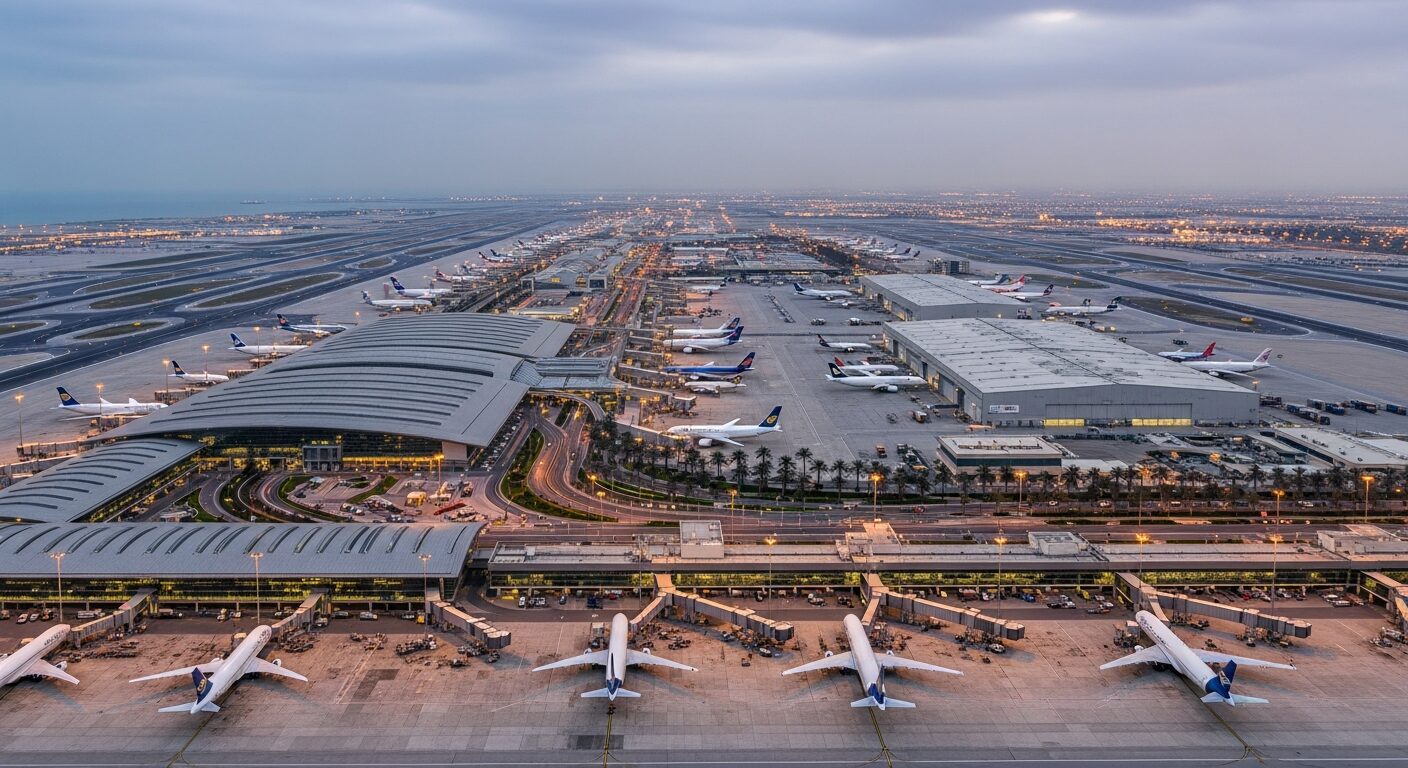
DAFZA was established in 1996 as Dubai's air-cargo-focused free zone. The 12-million-square-foot facility sits adjacent to Dubai International Airport's cargo terminals, providing direct access to one of the world's busiest air cargo hubs.

Key characteristics:

  • Co-located with Dubai International Airport
  • Premium positioning vs lower-cost free zones
  • ~2,000 established tenants across multiple industries
  • Strong infrastructure for air cargo logistics
  • Designated free zone status for VAT purposes
  • 100% foreign ownership under standard framework

Industries DAFZA serves well:

  • Premium specialty trading (jewellery, watches, electronics)
  • Time-sensitive perishables (pharmaceuticals, fresh products)
  • Technology and electronics distribution
  • Aviation services and aerospace
  • Cosmetics and beauty product trading
  • Premium food and beverage distribution
  • Logistics and freight forwarding
  • Consulting and professional services

The Dubai Department of Economy and Tourism (det.gov.ae) recognises DAFZA-issued licences as fully equivalent to other free zone licences. The Federal Tax Authority (tax.gov.ae) maintains DAFZA on the designated zones list.

Setup cost breakdown

Realistic year-1 cost for a typical DAFZA service licence with small office:

Item Cost (AED)
DAFZA service licence 30,000
Trade name + initial 1,500
Establishment card 2,000
Small office (year, 250-400 sqft) 220,000
Office fit-out (basic) 35,000
2 visas (year 1) 11,000
Medical + Emirates IDs 2,400
Bank account setup 0-2,500
Insurance 8,000
Accounting setup 4,000
Working capital 80,000
Year 1 total AED 394,400

For a commercial licence with warehouse:

  • Warehouse 2,000-5,000 sqft: AED 300,000-750,000/year
  • Equipment and racking: AED 80,000-200,000
  • Larger team: AED 200,000-500,000 in year 1 staff costs
  • Year 1 total: AED 800,000-2,000,000+

DAFZA is meaningfully more expensive than DMCC (premium tower without warehouse) and dramatically more expensive than IFZA or SHAMS. The premium reflects airport co-location, infrastructure quality, and the established brand.

Activity coverage

DAFZA's activity catalog covers:

Commercial activities:

  • General trading
  • Specialty trading (jewellery, watches, electronics, cosmetics)
  • Trading of pharmaceutical products
  • Trading of perishables and food products
  • Trading of aircraft parts and aviation supplies

Service activities:

  • Business consultancy
  • IT consulting and services
  • Marketing and advertising
  • Engineering consulting
  • Aviation services
  • Logistics and freight services

Industrial activities:

  • Light manufacturing (with appropriate space)
  • Assembly operations
  • Aircraft maintenance services

Financial activities (limited):

  • Some financial services (with separate regulatory approvals)

Activities requiring specific regulatory approvals (pharmaceutical trading, aviation services, certain regulated categories) involve additional review beyond standard DAFZA process.

Office and warehouse options

DAFZA offers multiple facility types:

Small offices (250-500 sqft): AED 200,000-350,000/year. Suitable for service businesses and small consulting operations.

Medium offices (500-1,500 sqft): AED 350,000-700,000/year. Suitable for established consulting, marketing, technology businesses.

Large offices (1,500-5,000 sqft): AED 700,000-1,500,000/year. Suitable for headquarters operations.

Warehouse units (small to large): AED 250,000-1,500,000+/year depending on size. Suitable for trading operations with air-cargo logistics.

Specialty facilities: Cold chain warehouses, jewellery vaults, pharmaceutical handling facilities all available with appropriate cost premiums.

Office rental is the largest single cost factor for DAFZA operations. Plan space requirements carefully to avoid over-leasing.

Comparison to other free zones

DAFZA vs other major free zones on key dimensions:

Factor DAFZA DMCC JAFZA IFZA DIFC
Year 1 licence AED 30k AED 30k AED 25k AED 12.5k AED 60k+
Office cost High Premium Medium Low Premium
Air cargo access Yes No No (sea) No No
Sea cargo access No No Yes No No
Designated zone Yes No Yes No No
Brand prestige High High Medium-High Low Highest
Activity coverage Air-focused Broad Broad Broad Financial
Best for Air cargo + premium Trading hub Volume trading Cost entry Financial services

DAFZA wins clearly for air cargo and premium specialty operations. DMCC wins for diversified trading and commodities. JAFZA wins for volume sea-cargo operations. IFZA wins for cost-conscious service businesses. DIFC wins for financial services.

When DAFZA is the right choice

DAFZA fits when:

  • Your operational model requires air cargo access
  • Products are time-sensitive or perishable
  • High-value goods justify premium logistics
  • Brand positioning benefits from premium free zone address
  • Designated zone VAT treatment matters operationally
  • You're comfortable with higher cost in exchange for infrastructure
  • Industry-specific clustering (pharmaceuticals, jewellery, electronics, aviation) helps your business

DAFZA is wrong choice when:

  • Your operational model doesn't need air cargo
  • Cost optimisation is primary priority (IFZA, SHAMS, RAKEZ cheaper)
  • Sea cargo is primary logistics (JAFZA better)
  • Pure financial services (DIFC, ADGM better)
  • Small bootstrap operations without operational need for DAFZA infrastructure

Setup process step by step

Week 1 — Application preparation

  • Decide activity and licence type
  • Prepare documentation (passport, business plan)
  • Confirm budget for DAFZA office allocation
  • Engage with DAFZA business setup team

Week 2-3 — Application submission

  • Submit licence application
  • Initial approval issued
  • Office selection and lease negotiation
  • Pay licence fees

Week 3-4 — Issuance

  • Licence issued
  • Establishment card processing
  • Office allocation
  • Begin visa applications

Week 5-7 — Visa and banking

  • Entry permits issued
  • Status change for arrivals
  • Medical and Emirates ID
  • Visa stamping
  • Bank account opening (parallel)

Total: 6-10 weeks for full operational status including banking.

Visa allocation

Visa quotas tied to office size:

  • Small office: 5-10 visas typically
  • Medium office: 10-25 visas
  • Large office: 25-100+ visas
  • Warehouse: scales with space

DAFZA generally generous on visa allocation given the premium positioning. Activity-based justification accepted for additional visas.

Banking treatment

DAFZA companies receive strong banking treatment from major UAE banks:

FAB Business: Established relationship. Trade finance well-developed for DAFZA trading operations. 3-5 weeks onboarding.

Emirates NBD: Smooth onboarding. SME and corporate packages available. 3-5 weeks.

Mashreq: Comfortable with DAFZA. 2-4 weeks. Trade finance available.

Wio: Digital onboarding works for DAFZA. 2-3 weeks.

HSBC: Premium banking accessible for established DAFZA operations. 4-8 weeks.

Standard Chartered: Similar to HSBC.

DAFZA's premium reputation supports banking relationships. Most operations have multiple banking options.

Tax treatment

Corporate tax:

  • Standard 9% above AED 375,000 profit
  • Qualifying Free Zone Person (QFZP) status possible for 0% on qualifying income
  • DAFZA-based businesses meeting QFZP conditions can achieve dramatically lower effective tax

VAT:

  • Designated zone treatment applies for goods supplied within DAFZA
  • Mainland UAE sales subject to standard 5%
  • Exports zero-rated
  • Reverse charge on imports

Customs:

  • Re-export benefits standard
  • Customs efficiency for air cargo operations

Tax structuring for DAFZA operations benefits from professional advisory given the QFZP complexity.

Common Mistakes founders make with DAFZA setup

Mistake 1: Over-investing in space. Leasing more office than the business needs ties up substantial capital. Right-size space realistically.

Mistake 2: Wrong activity classification. Some operational models don't truly need air cargo access. Choosing DAFZA out of brand preference rather than operational fit wastes premium cost.

Mistake 3: Skipping the QFZP analysis. Failing to structure for Qualifying Free Zone Person status loses meaningful corporate tax savings.

Mistake 4: Inadequate working capital. Premium setup combined with thin working capital creates cash pressure during normal operations.

Mistake 5: Under-leveraging air cargo infrastructure. Operating from DAFZA without using air cargo logistics wastes the premium positioning entirely.

Industries with strong DAFZA fit

Jewellery and precious goods: Established DAFZA cluster. Vault facilities available. Premium positioning matches industry.

Pharmaceutical trading: Cold chain facilities available. Regulatory infrastructure supports pharmaceutical operations.

Premium electronics: Time-sensitive imports. Premium positioning matches industry.

Cosmetics and beauty: Premium positioning. Brand association with quality.

Aviation services: Direct airport access. Natural fit.

Premium food and beverage: Air cargo for perishables. Premium positioning.

Technology distribution: Time-sensitive deliveries.

Consulting (premium-positioned): Brand association.

Industries with weaker DAFZA fit

Pure online services without physical goods: Premium cost without commensurate benefit.

Cost-conscious startup operations: Cheaper free zones (IFZA, SHAMS) better fit.

High-volume sea cargo: JAFZA fundamentally better positioned.

Financial services: DIFC or ADGM better aligned with regulatory needs.

Bulk commodity trading: DMCC or JAFZA better positioned.

Year 2+ growth considerations

Established DAFZA operations typically evolve:

  • Expansion to additional office or warehouse space
  • Multi-emirate operations alongside DAFZA base
  • Trade finance facility scaling with business growth
  • Workforce expansion within DAFZA visa allocations
  • Strategic partnerships within DAFZA tenant ecosystem

The premium positioning of DAFZA supports business growth across multiple dimensions. Operations that align with the air cargo and premium positioning typically experience strong year 2-3 expansion.

Operational benefits of DAFZA location

The operational benefits extend beyond just air cargo access. Tenants benefit from clustering with similar businesses, creating informal but valuable networks for sourcing, partnerships, and customer development. The premium brand association supports B2B sales conversations where buyers value the DAFZA-based supplier credibility. Professional services within DAFZA (legal, accounting, compliance) understand free zone framework deeply and provide efficient support.

Infrastructure quality affects daily operations significantly. Reliable utilities, premium office facilities, professional management, and ongoing improvements maintain operational quality. The contrast with smaller free zones becomes apparent in daily operations though may not show on cost comparisons alone.

Workforce attraction for premium roles benefits from DAFZA location. Senior professionals often prefer DAFZA-based employers over lesser-positioned free zone employers, all else equal. Recruitment competitive advantage compounds over time as workforce quality affects business outcomes.

Strategic partnerships within DAFZA tenant ecosystem create growth opportunities. Joint ventures, supplier-customer relationships, and operational synergies emerge naturally from proximity and shared free zone framework. Founders who actively engage with the DAFZA tenant community often realise more value than founders who treat DAFZA as just regulatory location.

These operational benefits don't show on cost comparisons but materially affect business outcomes for operations that align with DAFZA's positioning. For businesses that fit, the premium cost typically pays back through operational quality and strategic positioning advantages.

Final framing on DAFZA selection

For founders weighing DAFZA against alternatives, the right framing combines operational fit with capital availability. DAFZA fits when air cargo, premium positioning, designated zone status, or industry clustering provides genuine operational benefit. DAFZA doesn't fit when these elements don't apply to your business model.

The capital requirement is real but not prohibitive for properly capitalised operations. AED 400,000 to AED 800,000 year 1 capital comfortably supports DAFZA service or trading operations. Larger operations require AED 1M to AED 5M+ depending on scale. Match capital to operational ambition and DAFZA selection becomes straightforward.

For founders with operational fit and adequate capital, DAFZA continues to offer one of UAE's strongest premium free zone positions. The air cargo access alone justifies the choice for specific operational models. Combined with designated zone status, premium brand, and established ecosystem, DAFZA represents a strong selection for businesses that fit the positioning.

For founders without operational fit or with cost-constrained capital, alternative free zones better serve the situation. DMCC for trading hub positioning without air cargo specifics. IFZA for cost optimisation. JAFZA for sea cargo trading. SHAMS for media-focused operations. Each fits different operational models better than DAFZA at lower cost.

Match selection to business reality and the free zone decision supports business growth rather than creating cost burden or operational mismatch.

Tenant ecosystem and industry clustering at DAFZA

The tenant ecosystem at DAFZA represents one of the strongest competitive advantages of the location beyond pure regulatory framework. The free zone hosts approximately two thousand businesses across diverse industries with concentration in specific clusters that create network effects for participating tenants. Understanding these clusters helps founders evaluate whether DAFZA matches their business model beyond just operational logistics.

The jewellery and precious goods cluster at DAFZA includes major regional and international jewellery traders, watch importers, and precious metals dealers. The cluster benefits from purpose-built vault facilities, established security infrastructure, and ongoing community of jewellery industry professionals. New entrants in this segment benefit from proximity to peers, established supplier and customer relationships within the cluster, and shared infrastructure that smaller free zones cannot match.

The pharmaceutical trading cluster at DAFZA includes regional distributors for major international pharmaceutical brands plus specialty product importers. Cold chain infrastructure, regulatory familiarity, and air cargo access combine to create operational platform optimised for pharmaceutical operations. New pharmaceutical traders benefit from established ecosystem rather than building infrastructure independently.

The aviation services cluster includes aircraft parts distributors, maintenance operations support businesses, training organisations, and specialised aviation consulting firms. Direct airport access and proximity to airline operations create operational advantages for businesses serving aviation industry. The cluster has matured over decades of DAFZA operations creating depth of expertise.

The cosmetics and beauty cluster benefits from premium positioning, air cargo for time-sensitive products, and brand association that supports premium product positioning. Major regional distributors for international beauty brands operate from DAFZA alongside specialty retail operations.

The technology distribution cluster includes electronics importers, IT product distributors, and specialty technology operations. Time-sensitive distribution requirements align with air cargo capability and the cluster includes both established multinational operations and specialty boutique businesses.

The premium food and beverage cluster covers specialty food importers, premium beverage operations, and exclusive distribution rights holders. Air cargo for perishables, premium positioning for client conversations, and established ecosystem support specialised food and beverage businesses.

These industry clusters compound DAFZA's value beyond just regulatory framework. Operations within clusters benefit from networks that develop naturally from shared free zone framework and proximity. Businesses outside the clusters may operate successfully but miss the network effects that compound value over multi-year operations.

Long-term strategic considerations

For founders evaluating DAFZA as multi-year strategic platform, several considerations beyond immediate setup matter substantially. The free zone's roadmap and ongoing investments affect long-term tenant value. DAFZA has maintained consistent investment in infrastructure, facility improvements, and tenant services over decades, supporting business continuity and operational quality. New tenants benefit from this established commitment to free zone development.

The regulatory framework stability at DAFZA matches broader UAE federal stability around free zone operations. While individual zone rules evolve, the fundamental framework around 100 percent foreign ownership, visa rights, corporate tax provisions, and operational flexibility has remained stable and supportive over many years. Multi-year planning can rely on framework continuity that some other emerging markets cannot offer.

Tenant lifecycle support from DAFZA management includes ongoing assistance with regulatory updates, operational issues, expansion needs, and strategic considerations. Tenants benefit from professional management focused on business success rather than just regulatory administration. The contrast with smaller free zones operating leaner support functions becomes apparent over years of operation.

Strategic partnerships within DAFZA ecosystem develop naturally over time. Joint ventures, supplier relationships, customer connections, and operational synergies emerge from shared free zone framework. Tenants who actively engage these opportunities consistently realise more value than tenants who treat DAFZA as purely regulatory location.

Expansion within DAFZA framework benefits from established history. Adding office space, increasing visa allocation, expanding activities, or restructuring entities all happen smoothly when tenant has established positive history with DAFZA management. The relationship value compounds over multi-year tenure.

For founders planning long-term UAE business operations, DAFZA selection represents strategic platform commitment rather than just regulatory choice. The platform pays back through multiple dimensions beyond immediate setup decisions.

DAFZA's premium positioning continues to support business operations across multiple dimensions including infrastructure, ecosystem, and brand value.

For founders evaluating DAFZA in 2026, treat the analysis seriously.

What to do next

If you're considering DAFZA company setup in 2026, the next step is honest evaluation of your operational fit alongside capital availability. We help founders evaluate DAFZA against alternatives based on specific business model, projected operations, and capital plan. A 20-minute call clarifies whether DAFZA's air cargo focus and premium positioning justify the cost premium for your situation.

The pattern across successful DAFZA operations is genuine operational alignment with the free zone's positioning combined with adequate capital for the premium cost structure. Operations chosen for DAFZA brand alone without operational fit typically over-invest in unused premium positioning. Operations chosen for operational fit consistently realise the premium positioning value through business growth and competitive advantage.

For founders building businesses that fit DAFZA's positioning — air cargo logistics, premium specialty trading, time-sensitive distribution, aviation services — DAFZA remains among UAE's best free zone choices in 2026. The infrastructure, ecosystem, and brand combine to create operational platform that justifies premium cost for the right businesses.

For founders building businesses that don't fit, the cheaper alternatives serve better. The cost difference is substantial. Match selection to reality and the operational outcomes follow.

Plan the DAFZA evaluation rigorously. Compare against specific alternatives that match your business model. Make the choice based on operational fit rather than brand preference alone. These disciplines consistently produce better outcomes than rushing into premium free zone selection without proper analysis of fit.

Successful DAFZA operations consistently demonstrate that the premium positioning works when matched to the right business model. The operational discipline and capital commitment required match the rewards from operating within premium free zone infrastructure.

For founders weighing entry into UAE business through DAFZA in 2026, the realistic assessment combines genuine opportunity with realistic capital and operational requirements. The opportunity is real for properly positioned businesses. The capital requirement is meaningful but appropriate for the premium positioning. Match preparation to opportunity and the path becomes navigable for committed founders willing to invest in DAFZA's premium operational platform.

Frequently Asked Questions

What is DAFZA in 2026?

DAFZA (Dubai Airport Free Zone Authority) is a designated UAE free zone co-located with Dubai International Airport. Established in 1996, DAFZA serves businesses needing air cargo access — premium specialty trading, perishables, time-sensitive goods, technology distribution, and aviation services.

How much does DAFZA company setup cost in 2026?

DAFZA setup costs AED 25,000-45,000 for licence + AED 200,000-600,000+ for office or warehouse space depending on size. Total year 1 all-in for small operation: AED 280,000-450,000. Larger operations with warehouse: AED 500,000-2,000,000+.

What activities does DAFZA support?

DAFZA supports trading (especially air-cargo categories), services, consulting, e-commerce, aviation services, technology distribution, pharmaceuticals, perishables, jewelry trading, and precious goods. Activities aligned with air cargo logistics receive optimal benefit from DAFZA location.

Is DAFZA a designated zone for VAT purposes?

Yes. DAFZA is included on the Federal Tax Authority’s designated zones list. Goods supplied within DAFZA and between designated zones receive favourable VAT treatment, reducing compliance complexity for qualifying trading operations.

Can a foreigner own a DAFZA company in 2026?

Yes. 100% foreign ownership applies to DAFZA operations under standard free zone framework. No Emirati partner required. Setup process identical for foreign and Emirati founders.

What’s the difference between DAFZA and JAFZA?

DAFZA is co-located with Dubai International Airport (air cargo focus). JAFZA is co-located with Jebel Ali Port (sea cargo focus). DAFZA is smaller, more premium-positioned, optimised for high-value/time-sensitive goods. JAFZA is larger, lower-cost, optimised for high-volume container shipping.

How long does DAFZA setup take?

Realistic timeline 4-7 weeks. Licence and registration 2-3 weeks. Office allocation and lease 2-4 weeks parallel. Visa processing 4-6 weeks. Banking 4-8 weeks parallel. Total operational including bank account: 6-10 weeks.

What banks work well with DAFZA companies?

All major UAE banks accept DAFZA companies. FAB and Emirates NBD strong for trade finance. Wio and Mashreq NeoBiz fast onboarding. HSBC and Standard Chartered acceptable for established operations. DAFZA’s reputation as premium free zone supports banking relationships.

Related Noble Core deep-dives


Tech-focused founders often also weigh Dubai Silicon Oasis among Dubai free-zone choices.

More Posts

Contact us for Free Consultation

Free guideMainland vs Free Zone