Quick answer
Both structures now allow 100% foreign ownership post-2021. — The choice depends on sales location, visa scaling needs, and banking access rather than ownership control.
- Free zones cost AED 5,750–20,000 initial setup; mainland costs AED 10,000–25,000
- Free zone flexi-desk includes 2–6 visa quota; mainland allows unlimited visas via office space
- Mainland companies have easier banking access with major UAE banks like Emirates NBD and FAB
Best for: Startups choosing between cost-effective free zone setups or mainland flexibility for hiring and UAE sales.
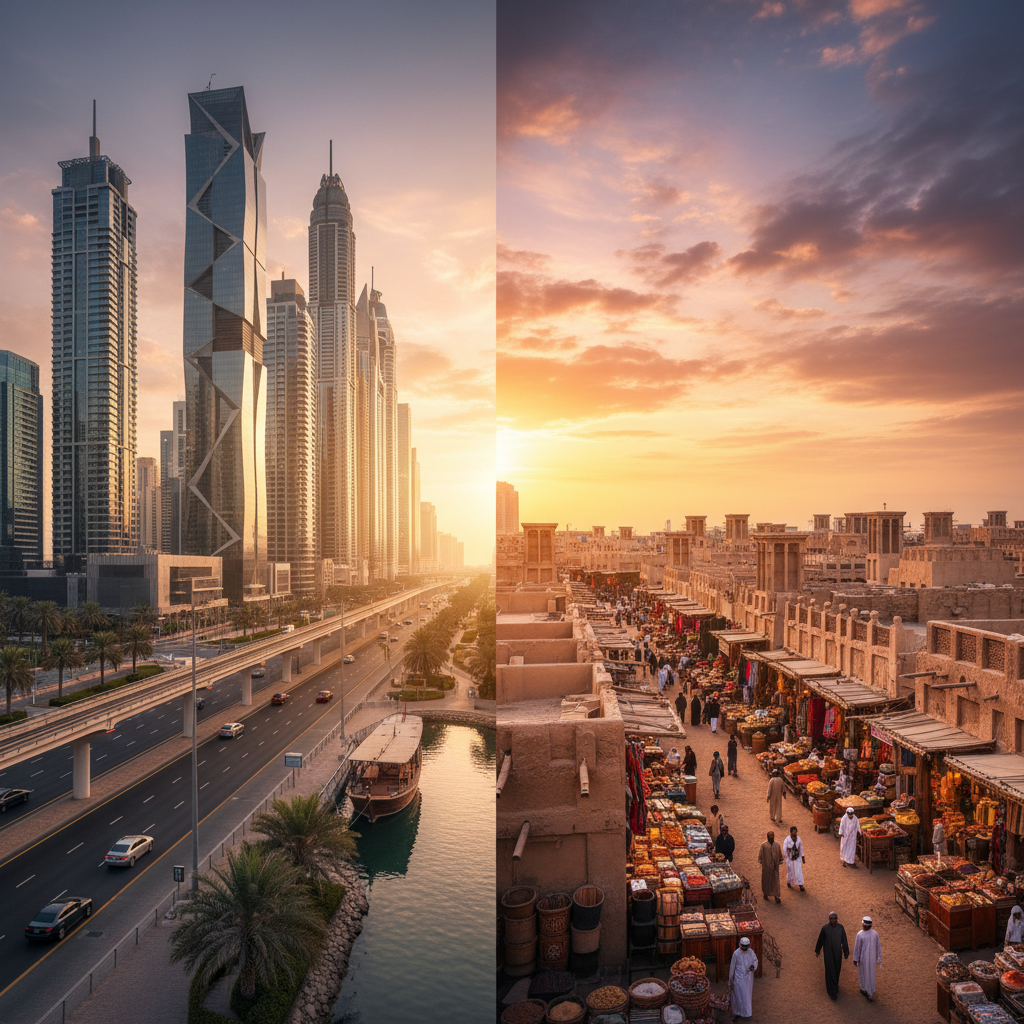
One question every entrepreneur setting up in the UAE faces: mainland or free zone? It’s not a simple answer — the right choice depends on what you’re selling, who you’re selling to, and how you plan to grow. Get it wrong and you’ll face restrictions, banking problems, or a costly restructure later.
This guide gives you the complete mainland vs free zone UAE comparison — covering ownership, costs, visas, banking, office requirements, and a practical decision framework to choose the right structure for your business.
Your setup cost, in 10 seconds
Package prices. Health insurance is required by law and not included.
Thank you.
Your written quote follows on WhatsApp.
The Core Difference: Mainland vs Free Zone
What is a UAE Mainland Company?
A mainland company is licensed by the Department of Economy and Tourism (DET) — either in Dubai (DET Dubai), Abu Dhabi (ADDED), Sharjah, or other emirate-level authorities. A mainland license allows you to:
- Trade freely anywhere in the UAE with no restrictions
- Open physical retail shops and offices anywhere in the UAE
- Apply for government and semi-government contracts
- Hire unlimited staff (subject to office space ratios)
What is a UAE Free Zone Company?
A free zone company is licensed by a specific free zone authority (like IFZA, DMCC, JAFZA, Shams). Free zone companies:
- Can operate within their designated free zone and internationally
- Cannot directly sell to UAE mainland customers (needs a local distributor or mainland branch)
- Enjoy 100% foreign ownership (always have)
- Often include a flexi-desk (virtual office) in their license package
For a full breakdown of the best free zones available, see our hub guide: Best Free Zones in Dubai & UAE 2025.
Related: KEZAD / KIZAD
Our cost research checks what each authority actually publishes, so you can compare like with like:
- our KIZAD guide — Abu Dhabi industrial zone; from AED 9,450 including one visa
Ownership: 100% Foreign in Both (Post-2021)
This used to be the #1 reason people chose free zones — 100% foreign ownership. But in 2021, the UAE government overhauled the Commercial Companies Law and now allows 100% foreign ownership for mainland companies across most business activities.
Previously, mainland companies required a 51% UAE national sponsor. That requirement is now largely removed — except for a limited list of strategically sensitive activities (defence, oil, gas, specific professional services). For the vast majority of businesses, ownership is no longer a differentiating factor.
| Ownership | Free Zone | Mainland |
|---|---|---|
| Foreign ownership allowed | ✅ 100% always | ✅ 100% (most activities, post-2021) |
| UAE sponsor needed? | ❌ No | ❌ No (most activities) |
| Exception activities | N/A | Defence, oil/gas, some professional services |
Cost Comparison: Setup, Renewal, and Visas
Free zones are generally cheaper to set up — especially the more affordable zones like Shams or Ajman. Mainland companies tend to cost more upfront due to DET fees, notarization, and MOA drafting requirements. However, mainland renewal costs are often lower relative to the business value unlocked.
| Cost Item | Free Zone | Mainland (Dubai DET) |
|---|---|---|
| Initial Setup | AED 5,750–20,000+ | AED 10,000–25,000+ |
| Annual License Renewal | AED 5,000–18,000+ | AED 8,000–20,000+ |
| Office/Flexi-desk | Often included | AED 10,000–50,000/year (if separate) |
| Investor Visa | AED 3,500–5,000 | AED 4,000–6,000 |
| Employee Visa | AED 3,500–5,000 each | AED 3,500–6,000 each |
| MOA / Notarization | Not required | AED 1,500–3,000 |
| Total Year 1 (solo, 1 visa) | AED 17,000–28,000 | AED 20,000–40,000 |
For the cheapest free zone options with detailed cost breakdowns, see: Cheapest Free Zones in UAE 2025.
Visa Quotas: A Key Practical Difference
Free Zone Visa Quotas
Free zones assign a fixed visa quota based on your license package. On a standard flexi-desk, most zones allow 2–6 visas. To get more, you need to upgrade to a physical office — which significantly increases your costs. The visa quota is pre-set by the zone authority and not easily increased.
Mainland Visa Quotas
Mainland companies don’t have a hard visa cap in the same way. The number of visas is determined by your office space size — typically 1 visa per 80–100 sqft of leased office space. In theory, this means unlimited visas as long as you have enough office space. For businesses planning to hire a large team, mainland gives more flexibility to scale.
| Visa Quota | Free Zone | Mainland |
|---|---|---|
| Standard flexi-desk | 2–6 visas | N/A (tied to office space) |
| Small office (300–500 sqft) | More with upgrade | 3–6 visas |
| Larger office | Up to 50+ (at zones like JAFZA) | Proportional — up to 100s |
| Flexibility to scale | Limited (upgrade needed) | High (just lease more space) |
Banking: Which Is Easier?
UAE business banking is notoriously strict — this is one of the most important practical considerations when choosing your structure.
Mainland Companies
Mainland companies generally find it easier to open UAE business bank accounts. Banks are more familiar with DET-licensed companies, the activity descriptions are clearer, and mainland companies signal that you’re committed to the UAE market. Emirates NBD, ADCB, FAB, and Mashreq are all accessible to mainland businesses.
Free Zone Companies
Free zone banking varies significantly by zone:
- Dubai zones (IFZA, DMCC, Meydan, DIFC) — Good banking access; most major UAE banks will work with these
- Sharjah/Ajman/RAK zones — More challenging; some banks hesitant; may need to work with specific local banks or neobanks
Regardless of structure, the bank’s decision depends heavily on your nationality, business activity, source of funds, and business plan. A professional PRO services team with bank relationships can significantly improve your chances.
Office Requirements
Free Zone Office
Most free zones include a flexi-desk (virtual office) in their standard license package. This is a shared workspace with a mailing address — you don’t need to physically be there. It’s sufficient for consulting, digital businesses, and trading companies. If you need physical space, you can upgrade to a dedicated desk, private office, or warehouse.
Mainland Office
Post-2021, mainland businesses can also use a flexi-desk/shared office for many activities — you no longer need a dedicated private office. However, some regulated activities (medical, legal, food & beverage) still require physical premises. The key difference: mainland office space is rented from the open market (not bundled into a license fee), so it’s an additional cost.
Can Free Zone Companies Do Business in Mainland UAE?
This is the big one. No — a free zone company cannot directly conduct business with UAE mainland customers without a separate structure. Specifically:
- You cannot sell directly to UAE retail customers from a free zone license
- You cannot submit bids for UAE government contracts directly
- You cannot open a physical retail shop in mainland UAE
To sell to the UAE mainland market, you need one of:
- A mainland branch of your free zone company (additional cost, DET-registered)
- A local distributor — an independent mainland-licensed company that sells your goods/services
- A separate mainland license — full mainland company setup
This restriction is often misunderstood by new investors. If you’re targeting UAE consumers directly, mainland is almost always the better structure.
Corporate Tax: Same for Both
Since June 1, 2023, the UAE has a 9% corporate tax on net profits above AED 375,000. This applies to both mainland and free zone companies on UAE-sourced income.
| Tax Item | Free Zone | Mainland |
|---|---|---|
| Corporate Tax Rate | 9% above AED 375K | 9% above AED 375K |
| Small Business Relief (below AED 3M revenue) | ✅ Eligible | ✅ Eligible |
| VAT Registration (above AED 375K revenue) | Required | Required |
| Free Zone Qualifying Income | 0% (specific conditions) | N/A |
Note: Some free zone companies may qualify for 0% tax on “qualifying income” — income from international transactions and intra-free-zone transactions. This requires strict compliance and a tax advisor review. It is not automatic.
Mainland vs Free Zone: Full Comparison Table
| Feature | Free Zone | Mainland |
|---|---|---|
| Foreign Ownership | 100% | 100% (most activities) |
| Trade in UAE market | ❌ Restricted | ✅ Unrestricted |
| Government tenders | ❌ No | ✅ Yes |
| Physical retail shop (UAE) | ❌ No | ✅ Yes |
| Setup Cost | AED 5,750–20,000+ | AED 10,000–25,000+ |
| Office Requirement | Flexi-desk (often included) | Flexi-desk acceptable (most activities) |
| Visa Quota | 2–6 (flexi-desk) | Proportional to office space |
| Banking | Varies by zone (Dubai = easier) | Generally easier |
| Setup Speed | 3–10 days | 7–21 days |
| Corporate Tax | 9% above AED 375K | 9% above AED 375K |
| Import/Export Duties | Exempt within zone | Standard customs duties apply |
| Best For | International trade, online, consulting | UAE market, retail, services |
Which is Better for Your Business Type?
Retail & Physical Shops
Mainland wins. You cannot open a physical retail location in UAE malls, shopping centres, or high streets with a free zone license. For any retail-facing business, mainland is the only option.
Consulting & Professional Services
Either works — lean free zone for cost. If your clients are international or don’t require you to be mainland-licensed, a free zone company (especially IFZA or DMCC) gives you lower cost and faster setup. If your clients are predominantly UAE government or large corporates, mainland may give you more credibility and tender access.
Trading (Import/Export)
Free zone for international; mainland for UAE distribution. If you’re importing goods to distribute in the UAE market, you need a mainland trading license. If you’re using UAE as a re-export hub for international trade, free zone (especially JAFZA) is better — with duty exemptions and port proximity. See our full guide on Free Zone Business Setup.
E-Commerce
Free zone for digital-only; mainland if selling UAE customers physically. If you’re selling internationally or purely through digital platforms (dropshipping, Amazon UAE, etc.), a free zone works. If you want to operate a UAE-based e-commerce store with local delivery and returns, mainland is cleaner.
Manufacturing
Free zone wins. JAFZA, RAKEZ, and KIZAD offer purpose-built industrial facilities with customs duty exemptions that make manufacturing far more efficient. Mainland manufacturing is possible but less competitive for most industries.
The Decision Framework: How to Choose
Answer these questions to determine your ideal structure:
- Will you sell directly to UAE mainland customers? → Yes → Mainland (or mainland branch alongside free zone) → No → Free zone
- Do you need more than 6 visas from day one? → Yes → Mainland (or JAFZA/RAKEZ with office) → No → Free zone
- Is UAE the hub for international business (not UAE local sales)? → Yes → Free zone → No → Mainland
- Do you want the lowest possible setup cost? → Yes → Free zone (Shams or Ajman) → No → Consider mainland for long-term flexibility
- Are you in financial services, law, or regulated sectors? → Yes → DIFC (free zone) or mainland with professional license → No → Standard free zone or mainland
Still not sure? Our business setup consultants can walk you through the right choice for your specific situation — free consultation available.
Noble Core Ventures: Business Setup in UAE
Whether you choose mainland or free zone, Noble Core Ventures handles the entire setup — license application, visa processing, bank account facilitation, and ongoing compliance. We’ve helped hundreds of entrepreneurs and companies establish themselves in the UAE correctly, quickly, and without the hassle.
- ✅ Free zone company setup (all UAE zones)
- ✅ Mainland DET license (Dubai and Abu Dhabi)
- ✅ Visa processing and Emirates ID
- ✅ Business bank account opening support
- ✅ PRO services — document clearing, renewals, government liaison
- ✅ Ongoing compliance and annual renewals
Frequently Asked Questions: Mainland vs Free Zone UAE
1. Is it better to setup a mainland or free zone company in UAE?
It depends on your business model. Choose mainland if you want to sell directly in the UAE market or open physical retail locations. Choose free zone if you’re doing international business, online business, or consulting without a direct UAE retail presence. Both now allow 100% foreign ownership.
2. Can a free zone company sell in mainland UAE?
Not directly. A free zone company can only conduct business within its zone and internationally. To sell to mainland UAE customers, you need a mainland branch, local distributor, or a separate mainland license.
3. Which is cheaper — mainland or free zone in UAE?
Free zones are generally cheaper to start — from AED 5,750/year (Shams). Mainland typically starts from AED 24,999–15,000. However, if you factor in the added business flexibility mainland provides, the cost difference often makes sense. See Cheapest Free Zones UAE for budget options.
4. Do both mainland and free zone companies pay corporate tax in UAE?
Yes. Since June 2023, both structures pay 9% corporate tax on net profits above AED 375,000. Free zone entities with qualifying income (international/intra-zone) may be eligible for 0% on that qualifying income — but this requires specific compliance and a tax advisor assessment.
5. Is banking easier with mainland or free zone?
Generally, mainland companies find UAE bank accounts easier to open — banks are more familiar with DET-licensed entities. For free zones, Dubai-based zones (IFZA, DMCC, Meydan) have better banking success than Ajman or Sharjah zones. Our PRO team can help facilitate bank introductions for both structures.
6. Do I need a physical office for mainland company in UAE?
Post-2021, most mainland activities allow a flexi-desk (shared workspace). However, regulated activities (medical, food & beverage, legal) still require dedicated physical premises. Unlike free zones, office space is not bundled into the mainland license fee — you lease it separately.
7. Can a free zone company get UAE government contracts?
No. UAE government tenders are generally restricted to mainland-licensed companies. If government work is part of your business strategy, you need a mainland license or at minimum a mainland branch.
8. How long does it take to set up mainland vs free zone?
Free zones are faster — typically 3–10 working days. Mainland takes 7–21 working days due to DET processing, trade name approval, MOA drafting and notarization. With a good setup consultant, mainland can still be completed in 2 weeks.
9. Can I convert from free zone to mainland later?
Yes — but it’s not a direct conversion. You would need to set up a new mainland company separately. You can keep both structures running simultaneously if needed (one free zone entity for international business, one mainland entity for UAE market activities).
10. Which is better for an e-commerce business in UAE?
For pure digital/dropshipping e-commerce with international reach, free zone works well. For UAE-based e-commerce with local warehousing, delivery logistics, and physical presence, mainland provides cleaner structure and better banking access.
11. Do I need a UAE national sponsor for mainland company?
No — not for most activities. The 2021 commercial companies law reform removed the 51% local ownership requirement for the vast majority of business activities. A small list of strategic activities still requires UAE national involvement — check with DET or your setup consultant.
12. What are the best free zones to compare against mainland?
IFZA and DMCC are the most popular Dubai free zones compared against mainland. For budget comparison, Shams and Ajman Free Zone are the cheapest alternatives. For a full comparison of all top zones, see our hub guide: Best Free Zones in Dubai & UAE 2025.
Frequently Asked Questions
What is the core difference between mainland and free zone companies in the UAE?
A mainland company is licensed by an emirate-level Department of Economic Development and can trade freely anywhere in the UAE, open retail shops, and bid for government contracts. A free zone company is licensed by a specific zone authority such as IFZA, DMCC, JAFZA, or Shams, operates within its zone and internationally, but cannot sell directly to UAE mainland customers without a distributor, branch, or separate mainland license.
Do I still need a UAE national sponsor for a mainland company?
No, not for most activities. The 2021 overhaul of the Commercial Companies Law removed the old 51 percent local sponsor requirement across the vast majority of business activities, so both mainland and free zone companies now allow 100 percent foreign ownership. Only a limited list of strategically sensitive activities, such as defence, oil and gas, and certain professional services, still requires UAE national involvement.
Which is cheaper to set up — mainland or free zone?
Free zones are generally cheaper upfront, with initial setup from AED 5,750 to 20,000-plus, while mainland setup runs AED 10,000 to 25,000-plus due to DET fees, MOA drafting, and notarization of AED 1,500 to 3,000. A typical solo founder with one visa spends AED 17,000 to 28,000 in year one for a free zone versus AED 20,000 to 40,000 on the mainland.
How do visa quotas compare between the two structures?
Free zones assign a fixed quota based on your package — a standard flexi-desk typically allows two to six visas, and increasing it requires upgrading to a physical office. Mainland companies have no hard cap; visas scale with office space at roughly one visa per 80 to 100 square feet of leased space. Businesses planning to hire a large team get far more scaling flexibility on the mainland.
Is banking easier with a mainland or free zone company?
Mainland companies generally find UAE business bank accounts easier to open, since banks are more familiar with DET-licensed entities; Emirates NBD, ADCB, FAB, and Mashreq are all accessible. Among free zones, Dubai-based options like IFZA, DMCC, Meydan, and DIFC enjoy good banking access, while Sharjah, Ajman, and RAK zones can be more challenging. Nationality, activity, and source of funds also weigh heavily on bank decisions.
Do mainland and free zone companies pay the same corporate tax?
Yes. Since June 2023 the UAE applies a 9 percent corporate tax on net profits above AED 375,000 to both structures, and both are eligible for small business relief below AED 3 million in revenue. Some free zone companies can obtain 0 percent on qualifying income from international and intra-zone transactions, but that requires strict compliance and a tax advisor review — it is not automatic.
Contact Us For Free Consultation
Licensed UAE consultancy. One reply, no spam.
Thank you.
A consultant will reply on WhatsApp shortly.